Publication5 March 2026

News30 September 2026
Disinformation is not only about spreading false information, but also about using manipulation at the linguistic and rhetorical level. How can we recognize and build resilience against the techniques used by disinformation actors?
News22 September 2026
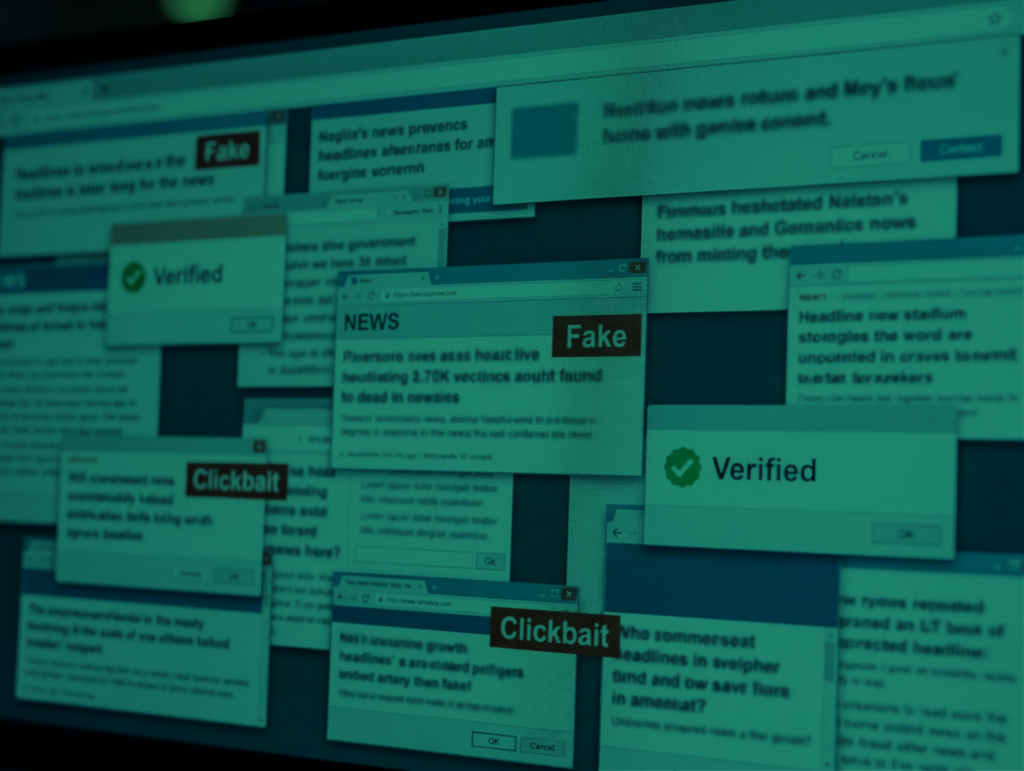
A piece of fake news posted late at night can easily reach thousands of views by morning. As users keep passing it along, tracking down the source becomes nearly impossible. If we want to stop disinformation from blurring the truth, we need to react fast.
News18 September 2026
Online disinformation is a significant element of harmful hybrid activities. At NASK’s Disinformation Analysis Center (OAD), a dedicated team identifies false content and handles disinformation reports. Check what you can report using our online form.

News18 August 2026
NASK and the OECD are working together to counter disinformation and strengthen public institutions’ resilience to information threats. As part of this cooperation, experts will meet at NASK headquarters at the end of September to examine threats in Poland’s information environment and assess how institutions are responding to disinformation.

News21 July 2026
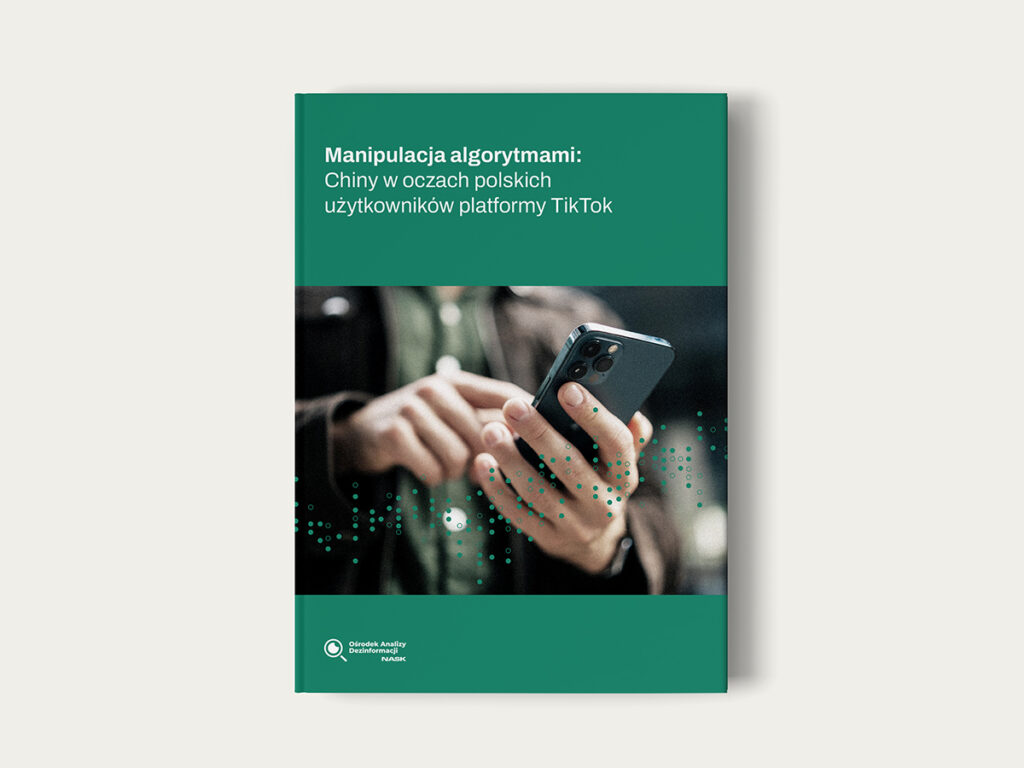
Is what you see on TikTok driven solely by business considerations? A NASK study suggests that the platform’s content recommendation system may contribute to building a favourable image of China. Experts from NASK’s Disinformation Analysis Centre examined nearly 10,000 pieces of content related to six topics considered particularly sensitive by Beijing. The question remains: can the platform’s algorithm influence how China is perceived by Poles?

News10 July 2026
Participants in DISINFOHACK discovered just how intricate disinformation networks can be. Over the course of nearly a month, 20 teams analysed contemporary disinformation operations, preparing reports based on methods used by professional analysts. The winners have now been announced: the teams whose reports made the strongest impression on the jury.
News15 June 2026
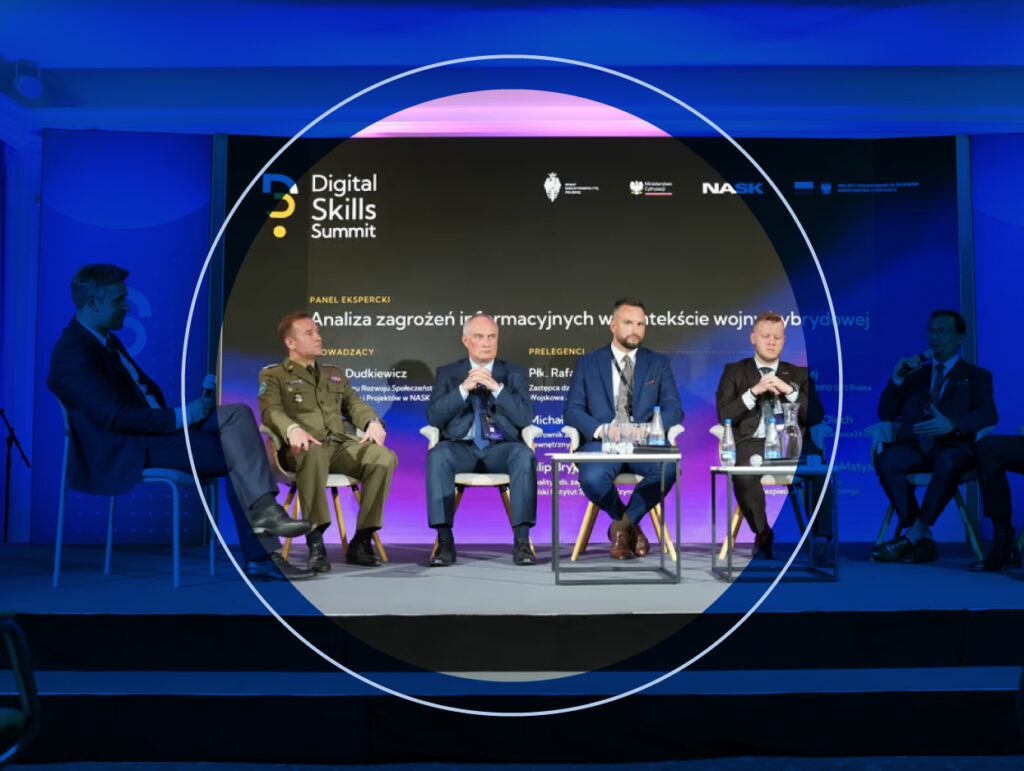
Cyberattacks targeting Poland and its citizens are becoming increasingly common, while digital skills across society remain limited. At the same time, nearly everyone is online, AI is playing an ever greater role in everyday life, and the world is changing at a rapid pace. How can we protect ourselves from cybercriminals and strengthen digital resilience? These questions were at the heart of the third edition of Digital Skills Summit.

News25 May 2026
Do you ever watch a viral video and feel that something does not add up? Read a post shared hundreds of times, even by your friends, and instinctively check the source? In short, do you have a knack for spotting false narratives? Now is your chance to put your skills to the test as a real analyst and compete for prizes that could benefit you in the future.


