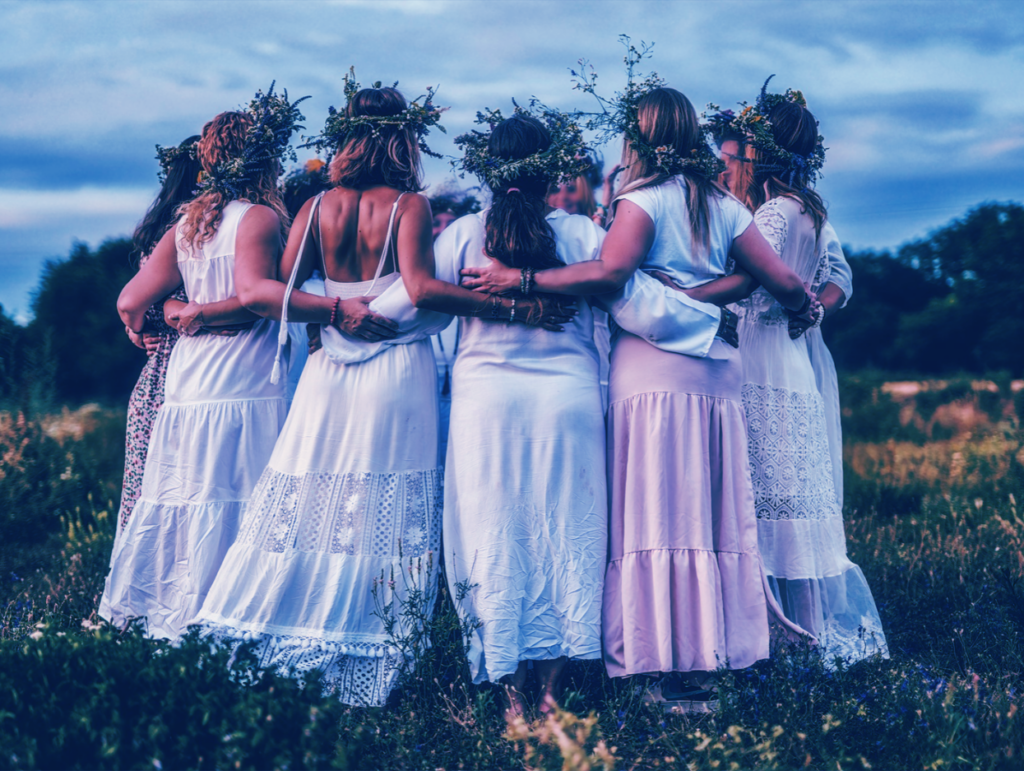
The hashtag #Slavic gained significant traction across platforms such as TikTok, Instagram, YouTube, X, and Pinterest, reaching an estimated 120 million users through content centered on Slavic culture, humor, fashion, and stereotypes. While most of this content appears organic, many popular posts use the broader umbrella of a shared Slavic identity to disproportionately promote Russian cultural symbols and narratives. Some influencers, including Russian creators active outside Russia, use pan-Slavic themes to emphasize common heritage, linguistic affinity, and cultural unity, while subtly embedding narratives favorable to Russia. These messages align with a broader tradition of Pan-Slavism, which the Kremlin has historically used as a narrative framework to support its regional influence and present Russia as the leader of a distinct Slavic civilization. By fostering a sense of shared identity and cultural proximity, such narratives can contribute to image-building efforts, create audiences more receptive to Russian soft power, and potentially serve as vehicles for future influence operations or disinformation campaigns.