
News15 October 2026
Sometimes, next to a profile name on X (formerly Twitter), you may see a badge that can create an impression of credibility. In practice, however, it does not determine the quality or reliability of the content being published. Following changes introduced by the platform several years ago, verification was replaced with a paid subscription model.

News12 October 2026
Travel-related content naturally focuses on selected aspects of reality and is often presented without broader political or social context. Consequently, the activities of travel influencers may contribute, whether intentionally or not, to the dissemination of narratives promoted authoritarian states.

News6 October 2026
In July and August 2026, reports of alleged puma sightings in various regions of the country dominated the Polish infosphere.

News1 October 2026
We present the reports prepared by the winners of the DISINFOHACK 2026 competition.

News30 September 2026
Disinformation is not only about spreading false information, but also about using manipulation at the linguistic and rhetorical level. How can we recognize and build resilience against the techniques used by disinformation actors?

News24 September 2026
Based on reports submitted to NASK’s Disinformation Analysis Centre, 9,495 valid disinformation incidents were identified in 2025. These accounted for over 20 percent of all content reported to social media platforms. This is why it is so important to respond to false content in the information sphere. Citizens and other entities, such as institutions and public services, have a real impact on curbing online content.
News22 September 2026
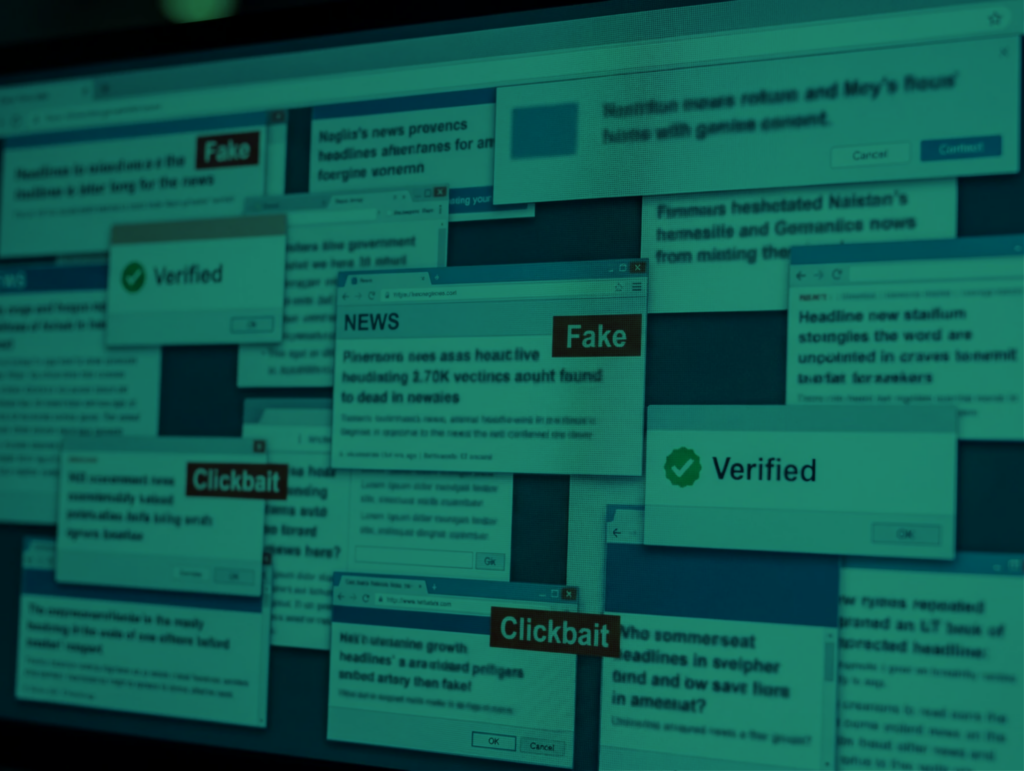
A piece of fake news posted late at night can easily reach thousands of views by morning. As users keep passing it along, tracking down the source becomes nearly impossible. If we want to stop disinformation from blurring the truth, we need to react fast.
News18 September 2026
Online disinformation is a significant element of harmful hybrid activities. At NASK’s Disinformation Analysis Center (OAD), a dedicated team identifies false content and handles disinformation reports. Check what you can report using our online form.

News2 September 2026
We are pleased to present the first Polish translation of the OECD Recommendation on Information Integrity. The document outlines recommendations for countering disinformation, strengthening societal resilience, and increasing transparency in the information environment.

News18 August 2026
NASK and the OECD are working together to counter disinformation and strengthen public institutions’ resilience to information threats. As part of this cooperation, experts will meet at NASK headquarters at the end of September to examine threats in Poland’s information environment and assess how institutions are responding to disinformation.
News17 August 2026
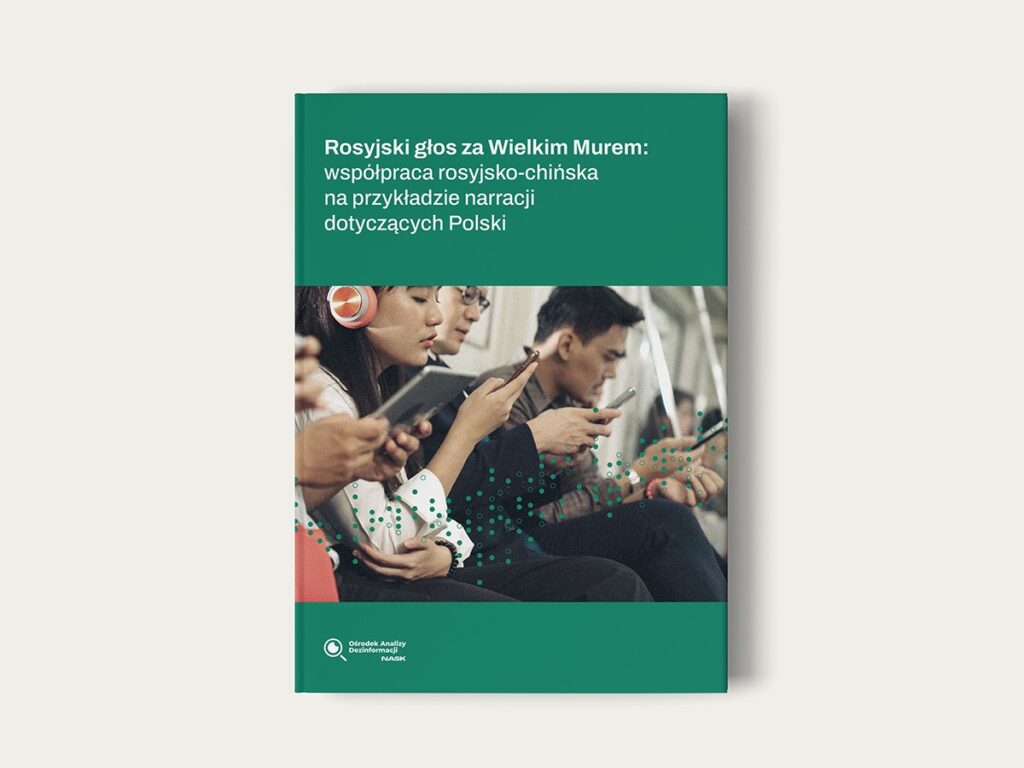
How is Poland portrayed in the Chinese infosphere? NASK experts explored how Russian narratives shape discussions about Poland and who benefits from their dissemination.
News23 July 2026
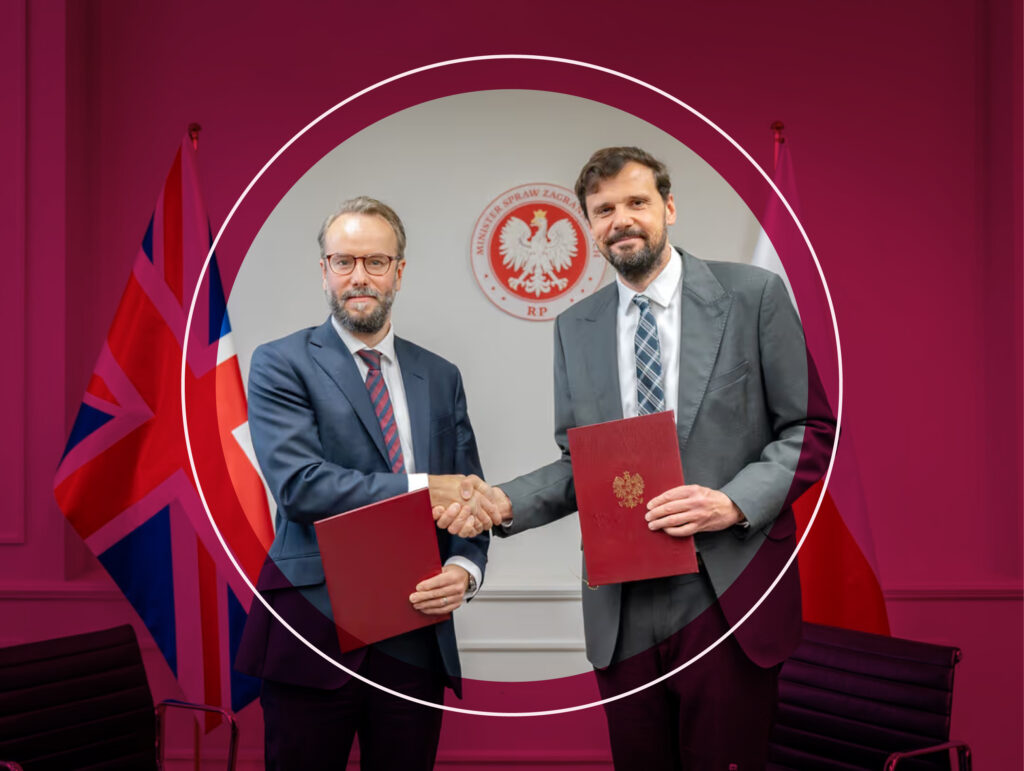
The weapons of the 21st century are no longer used solely on the battlefield. Conflict has expanded into cyberspace, the internet, and social media. That is why an effective response to foreign influence operations requires cooperation across borders. NASK, together with partners from Poland and the UK Foreign, Commonwealth and Development Office, has signed a cooperation agreement aimed at strengthening information security in Europe.


